
Home · Jessup
The Philip C. Jessup International Law Moot Court Competition
The World’s oldest and largest moot court competition, bringing together participants from over 700 law schools in 100 countries each year. Jessup Competition is a simulation of a fictional dispute between countries before the International Court of Justice, the judicial organ of the United Nations.
Each September, a new fictional dispute, known as the Compromis, introduces teams to some of the most pressing issues in contemporary international law.
Teams of up to five students research the case and prepare written submissions, called memorials, for both sides: the Applicant, which brings the case, and the Respondent, which answers it.
Teams then compete in their respective National Rounds, presenting oral arguments and answering questions from a panel of judges. These rounds determine which teams will represent their countries at the International Rounds, where they compete against teams from around the world.
The Central Asian Rounds bring together teams from Kazakhstan, Kyrgyzstan and Uzbekistan for a shared competition that includes each country’s National Rounds.
First held
1960
Organiser
International Law Students Association
Law schools
Over 700, in 100 countries
Court simulated
International Court of Justice
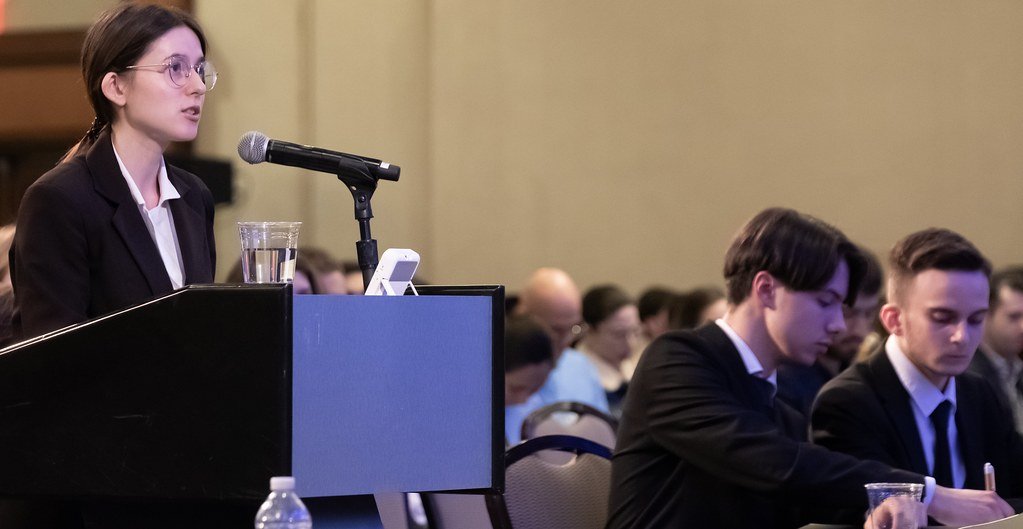
Jessup 2025 International Rounds Final. Photo: Jessup ILSA / White & Case LLP.
Jessup season, step by step
Season timeline
SEPTEMBER
Case released
NOVEMBER
Registration deadline
JANUARY
Written submissions
FEBRUARY
Central Asian Rounds
MARCH-APRIL
International Rounds
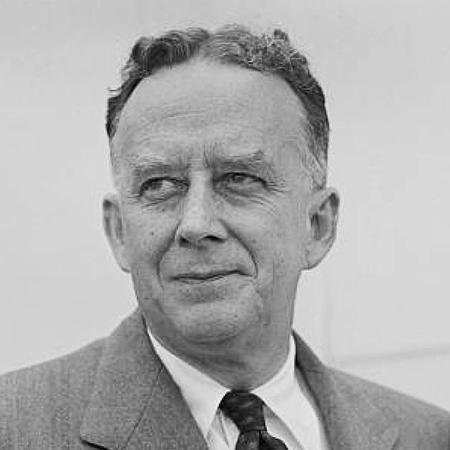
Philip Caryl Jessup, 1897–1986.
Behind the name
Who was Philip C. Jessup?
Philip Caryl Jessup (1897–1986) was an American lawyer, diplomat and scholar. He taught at Columbia University from 1925 to 1961, becoming its Hamilton Fish Professor of International Law and Diplomacy in 1946. His career encompassed academic research, international diplomacy and judicial service.
After the Second World War, Jessup represented the United States at the United Nations and served as Ambassador-at-Large from 1949 to 1953.
Jessup helped shape the institutions through which countries cooperate and resolve disputes. He participated in the 1945 San Francisco Conference that established the United Nations and played an important role in the formation of the International Law Commission, the UN body tasked with developing and codifying international law. His career placed him at the centre of efforts to strengthen international cooperation after the Second World War.
In 1949, he participated in negotiations with Soviet representative Yakov Malik over lifting the Berlin blockade. He later served as a judge of the International Court of Justice from 1961 to 1970.
Thinking of entering
I’m New
Eligibility, team size, finding a coach, registration and fees — everything a first-year team asks.
This season
Central Asian Rounds
Dates, host and everything you need to know for the current season.