Home · I’m New
I’m new to the Jessup
This page answers the questions future generations of Jessup competitors in Central Asia ask most often about taking part in the competition. ILSA’s website also keeps an FAQ section, which is well worth reading.
Getting started
Am I eligible to participate?
Generally, you can participate in Jessup if you:
- are enrolled as a full-time or part-time student at an eligible university, pursuing a degree in law, international relations, or a related field, and have received or will receive adequate instruction in international law;
- have not practised law, pursued an advanced postgraduate law degree (such as a PhD), or engaged in other activities that could give you an unfair advantage after graduating from a law degree programme; and
- have never served as a judge of written Memorials or oral rounds at any level of the current or any previous Jessup Competition.
You do not necessarily have to be a law student to participate! Students of international relations and related disciplines may also qualify.
These are only the general eligibility requirements. For full details, exceptions, and any changes to the rules, please consult the Official Jessup Rules published on ILSA’s website. If you’re unsure whether you’re eligible, feel free to contact us for guidance.

Do I need prior knowledge of public international law to participate?
Not necessarily! Jessup is a fantastic opportunity to learn public international law, even if you have little or no prior knowledge. What matters most is your curiosity, willingness to learn, and commitment to working with your team.
Thinking about participating in Jessup? Consider joining our Jessup Central Asia Summer School! It’s a great way to learn the basics, develop your research and advocacy skills, and get a taste of what Jessup is all about.
Can I participate in Jessup more than once?
Yes! Many students participate in Jessup for several years, as long as they meet the eligibility requirements under the Official Rules.
Returning participants often bring valuable experience to their teams. Even after you are no longer eligible to compete, you can remain involved in the Jessup community as a coach, judge, or volunteer.

My university has never participated in Jessup. How do we start a team?
Every university has to start somewhere, and we’re always excited to see new teams joining Jessup!
We recommend starting by finding a few fellow students interested in international law and approaching a faculty member who might be willing to support your team.
Once you’ve gathered your team, you’ll need to register through ILSA’s official registration system.
If your university has never participated before, we strongly encourage you to get in touch with us. We can help you understand the process, answer practical questions, and point you towards useful preparation resources.
You may also find ILSA’s guide to starting a team helpful.

What if my university does not support our participation?
Don’t give up! You don’t necessarily need your university’s formal support to participate in Jessup.
If your university is simply not involved in organising or supporting your team, you may still be able to participate independently. ILSA does not generally require a formal letter of support or approval from your university.
As long as your university and team meet the eligibility requirements, you complete the registration process, pay the applicable fees, and can prepare for and attend the Competition, you should be able to participate.
However, if your university expressly objects to your participation, the situation is different. We recommend contacting us or ILSA to discuss how to proceed.
In any case, we encourage you to approach your professors or university administration. They may be willing to support your team once they learn more about Jessup and its benefits.
Forming and registering a team
How many teams may participate from one university?
Each university may enter only one team in the Jessup Competition.
How many students can form a team?
A Jessup team consists of two to five students.
Although smaller teams are permitted, we generally recommend having four or five members, given the amount of research, writing, and oral advocacy preparation involved.
Universities and teams are free to decide how to select their team members. This may be through an internal selection process, interviews, or simply a group of interested students coming together.
We are not involved in team selection but are happy to share how the process works at other universities.
We need a Coach or Team Advisor. Where can we find one?
Start with your university. Professors, lecturers, and legal practitioners interested in public international law can make excellent Jessup coaches.
A coach doesn’t need to be a Jessup alumnus, though prior Jessup experience can help.
If you’re unable to find a coach at your university, please contact ILSA. They will do their best to connect you with a Jessup alumnus or another volunteer who may be interested in supporting your team, including remotely.
How do we register our team for the Competition?
All teams must register through ILSA’s official online registration system before the registration deadline.
Registration involves submitting the required team information, completing the team roster, and paying the applicable registration fee.
For the registration procedure and current deadlines, visit ILSA’s Registering Your Team page.
Are there any registration or participation fees?
Yes. ILSA charges a registration fee, which varies depending on the country.
As of 2026, the registration fees are:
- Kazakhstan and Uzbekistan: USD 270 per team.
- Kyrgyzstan, Tajikistan, and Turkmenistan: USD 135 per team.
These fees may change from year to year, so we recommend checking ILSA’s official registration page for the latest information.
Preparing for the Competition
What materials should we use to prepare for Jessup?
A great place to start is ILSA’s official Competition Materials and Resources page, where you’ll find useful guides and resources to help you prepare for Jessup.
If you’re new to public international law, we also recommend starting with some basic reading. The following books are particularly useful:
- Brownlie’s Principles of Public International Law by James Crawford
- International Law by Malcolm N. Shaw
- State Responsibility: The General Part by James Crawford
- The Sources of International Law by Hugh Thirlway
What are the stages of the Competition?
The Jessup Competition consists of two main stages:
- Qualifying Rounds (National Rounds): These are held when two or more teams from the same country participate in Jessup. Teams representing universities from that country compete against each other to determine who will advance to the International Rounds. To participate in the Qualifying Rounds, teams must first prepare and submit their written arguments (Memorials).
- White & Case International Rounds: Teams that win or otherwise qualify through their National Rounds advance to the International Rounds, where they compete against teams from countries around the world for the Jessup Cup.
What is the deadline for submitting Memorials, and how do we submit them?
The Memorial submission deadline is established in ILSA’s Official Competition Schedule.
Memorials must be submitted to ILSA in accordance with the procedures set out in the Official Rules, through your team’s online account.
Can we still participate if we miss the Memorial submission deadline?
No. Failure to submit your Memorials by the applicable deadline will result in disqualification from the Competition.
National and Central Asian Rounds
Does my country have its own National Rounds?
National Rounds are held when two or more teams from the same country register for Jessup. In Central Asia, this is generally the case for Kazakhstan, Kyrgyzstan, and Uzbekistan.
As long as fewer than two teams register from Tajikistan or Turkmenistan, the team from the respective country may qualify directly for the International Rounds without competing in National Rounds.
If two or more teams register from either country, we will contact the participating teams to arrange their National Rounds.
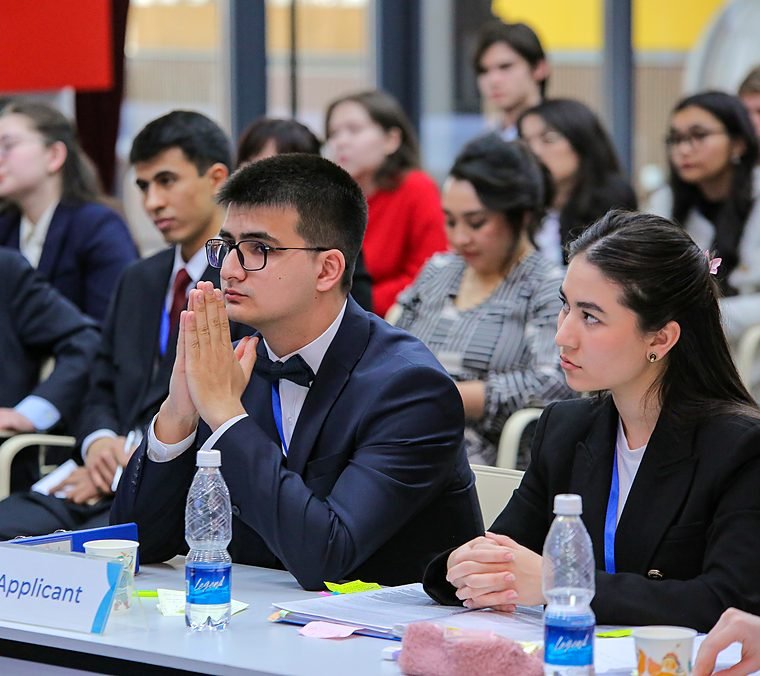
What is the Central Asia Friendly Round, and who can participate?
The Central Asia Friendly Round takes place on the final day of the Central Asian Rounds and brings together teams from different Central Asian countries that have not advanced to their respective National Finals.
It’s a great opportunity to experience international competition, argue against teams from neighbouring countries, and gain more oral advocacy experience.
Most importantly, it’s a chance to meet fellow Jessup participants from across Central Asia, make new friends, and enjoy the international spirit of Jessup!
To participate in the Friendly Round, teams must confirm their participation through their university profile in ILSA’s registration system.
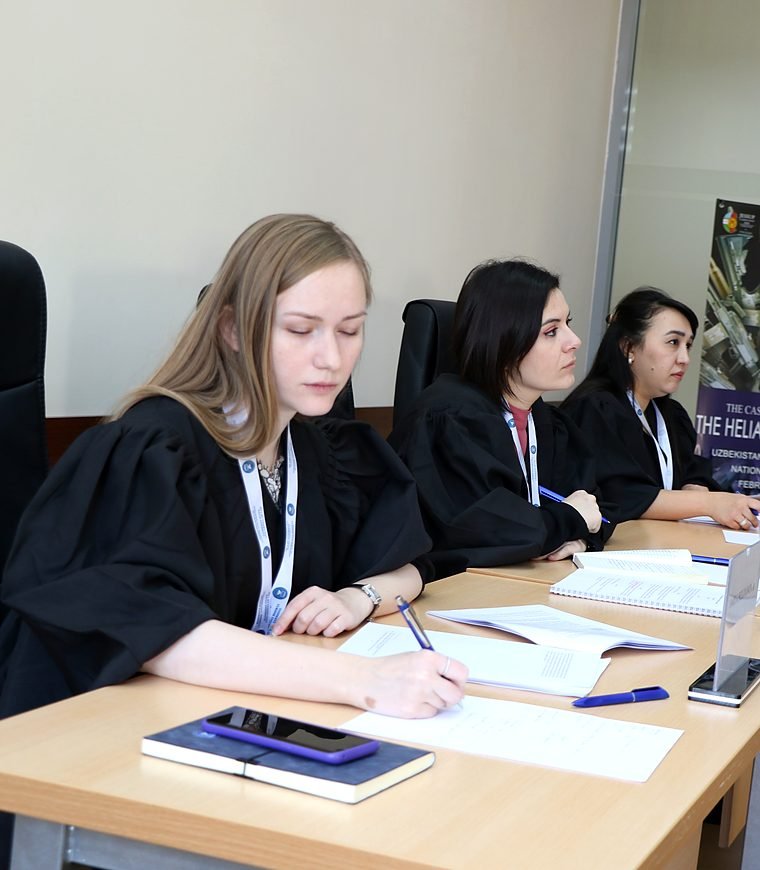
When and where will the National Rounds take place?
The Central Asian Rounds take place every February, with the host university rotating among participating countries.
The exact dates vary each year, but we generally aim to hold the Rounds approximately four weeks after the Memorial submission deadline.
For the latest information on dates and venues, please visit our Central Asian Rounds page or check ILSA’s official website.
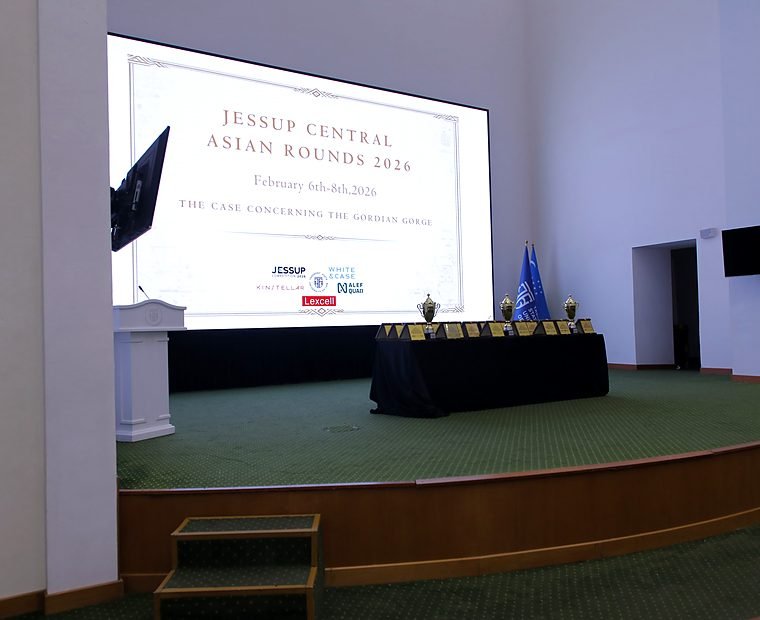
Who covers travel and accommodation expenses for the Central Asian Rounds?
As the Central Asian Rounds are hosted in a different country each year, teams and their universities are responsible for arranging and covering their travel expenses.
We work closely with the host university to make participation as affordable as possible. Depending on available resources, visiting students may be provided with free accommodation in a university dormitory or hostel, breakfast, and coffee breaks during the Rounds.
When accommodation is provided, it usually covers the entire visit, from the day before the Rounds begin until the day after they end. Please note that accommodation is generally available only to students, so coaches and team advisors must make their own arrangements. Teams may also choose to stay in hotels at their own expense.
These arrangements depend on the host university’s resources and may vary each year. We will share details about accommodation, meals, and other practical arrangements in the introductory letter sent to all participating teams before the Rounds.
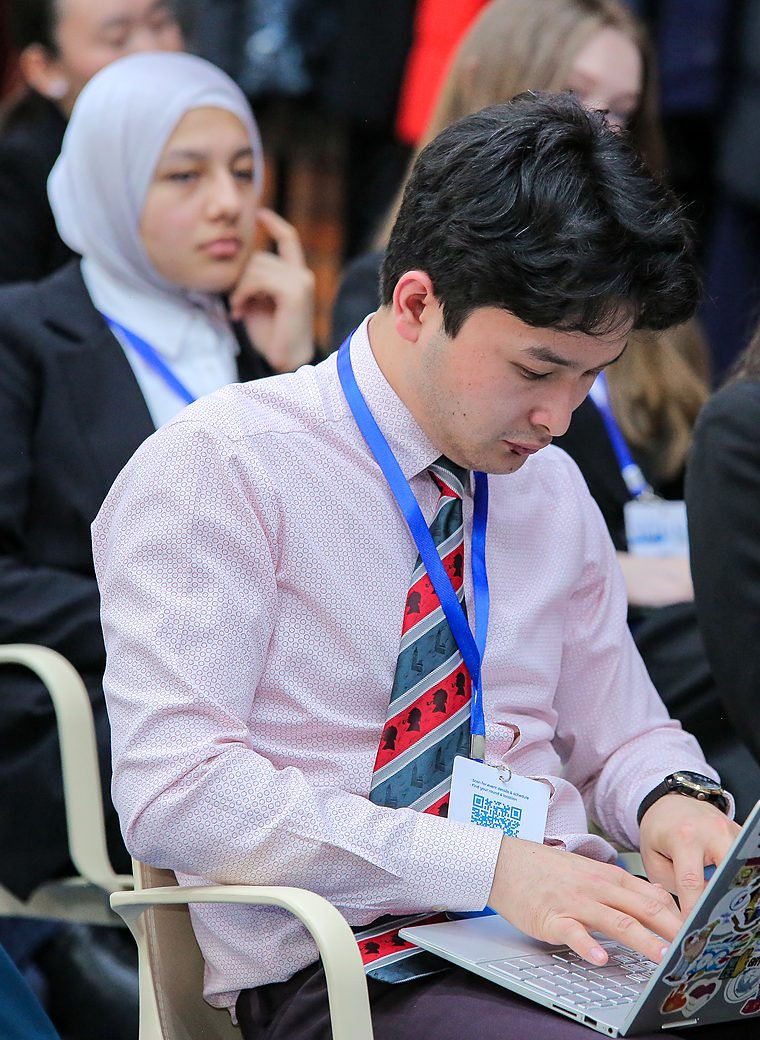
International Rounds
How many teams from my country can qualify for the International Rounds?
The number of teams that can qualify for the International Rounds is determined by a formula set out in the Official Jessup Rules.
In simple terms, a country with up to eight participating teams generally receives one place at the International Rounds. Each additional team increases the country’s allocation by approximately 0.2 places. This means that a country would need around 12 participating teams to secure a second place.
Besides, the Jessup Rules provide for another way to earn an additional place – if a team from your country advances to the Advanced Rounds at the International Rounds, your country earns an additional qualifying place for the following year.
Finally, ILSA may invite an additional team to participate in the International Rounds as an Exhibition Team. Such invitations are made at ILSA’s discretion each year and cannot be guaranteed.
For the exact qualification rules and calculations, please consult the Official Jessup Rules.
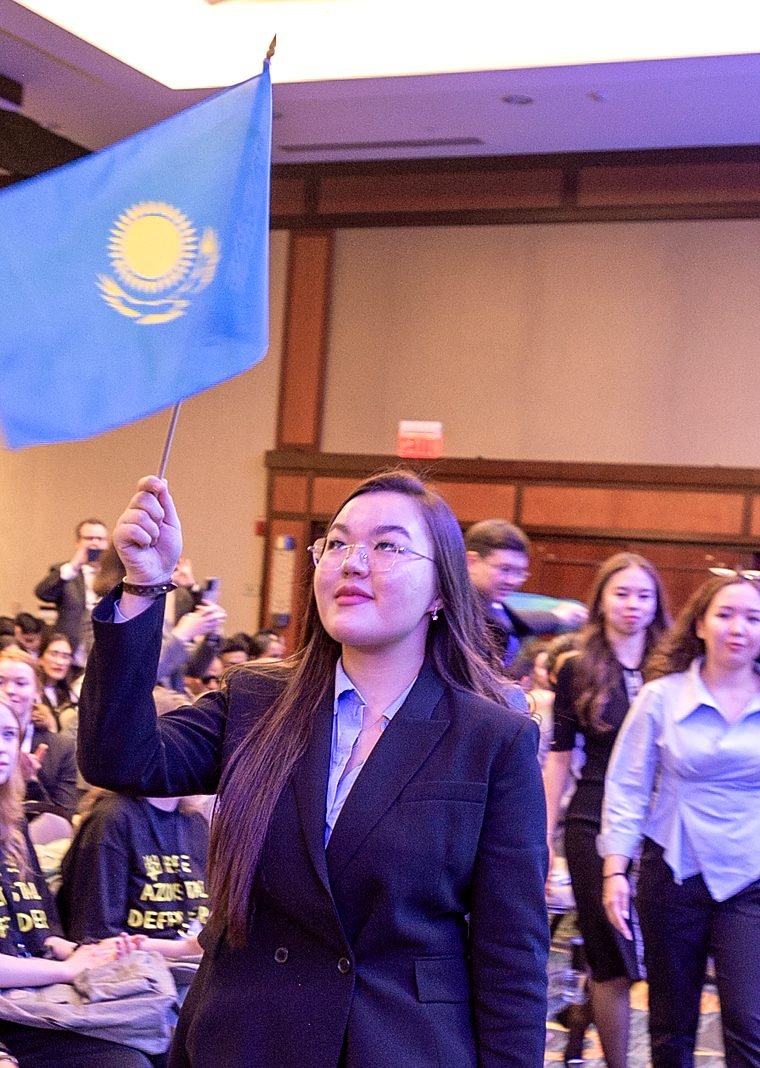
What is an Exhibition Team?
An Exhibition Team is a team invited by ILSA to participate in the International Rounds outside the ordinary qualification process.
Exhibition Teams typically participate in four oral rounds but do not compete for the Jessup Cup. Afterwards, team members assist with bailiffing (helping judges and organisers during oral rounds), giving them a unique opportunity to observe other teams, learn from their arguments, and see how the Competition works from a different perspective.
It’s a great opportunity to gain international experience, improve advocacy skills, and meet Jessup participants from around the world!
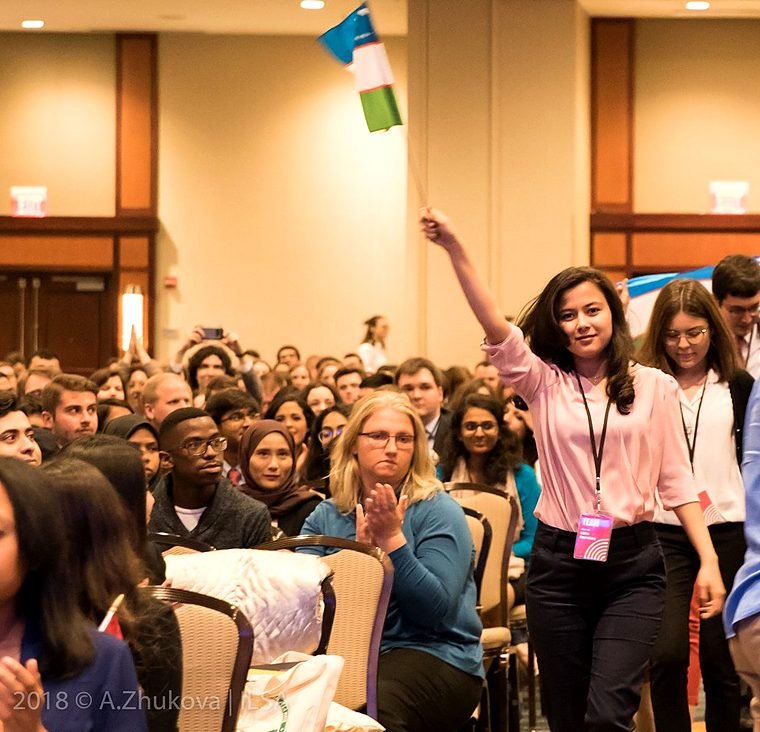
Will participation in the International Rounds be funded?
Unfortunately, neither ILSA nor the Jessup Central Asia Administration has a budget to support teams attending the International Rounds.
Teams are responsible for securing funding for their travel, accommodation, meals, and other expenses. We strongly encourage teams to start fundraising early and seek support from their universities, sponsors, and other potential donors.
We are happy to help where we can, including by sharing contacts of potential sponsors, if available. However, fundraising remains the responsibility of each team, so we encourage you to be proactive and explore as many funding opportunities as possible.
Jessup Summer School
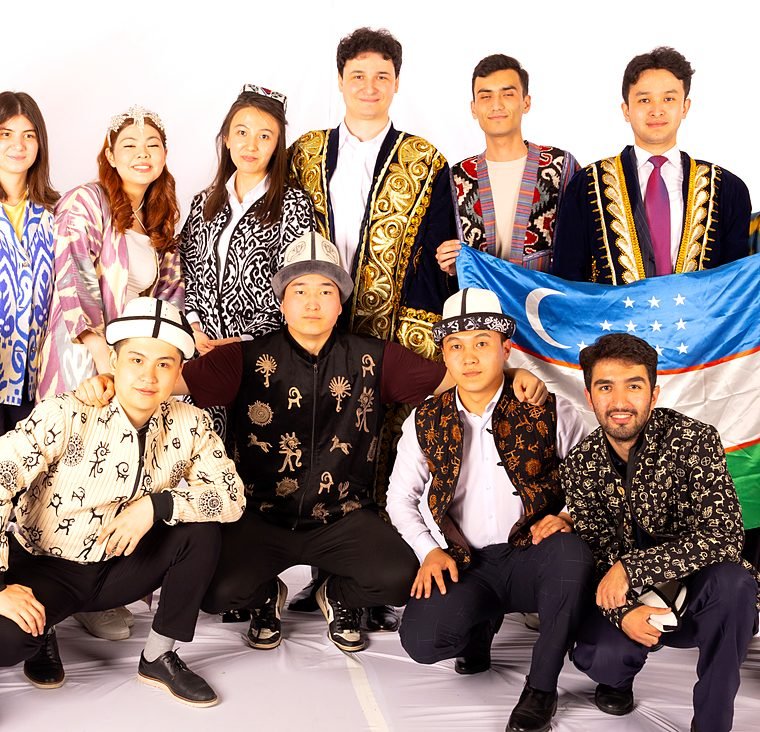
What is the Jessup Central Asia Summer School?
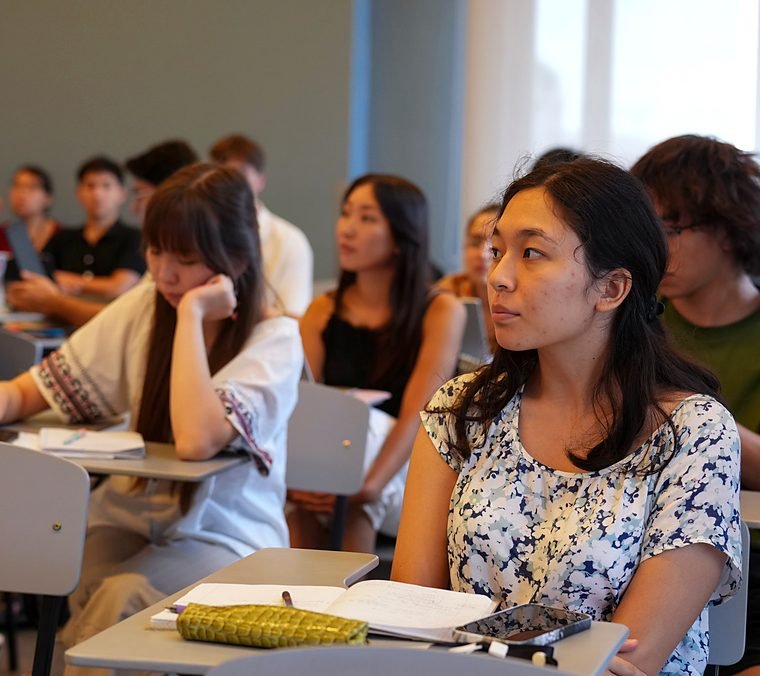
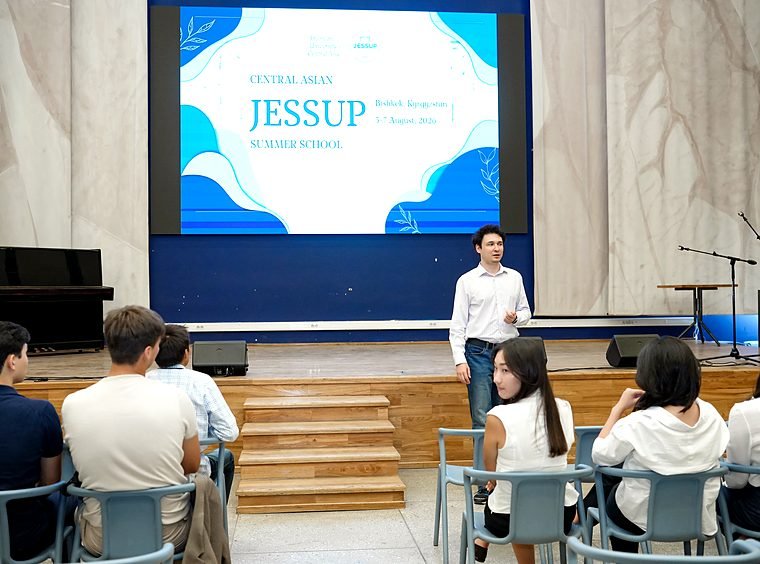
The Jessup Central Asia Summer School is an annual, week-long programme designed to help students prepare for their first Jessup Competition.
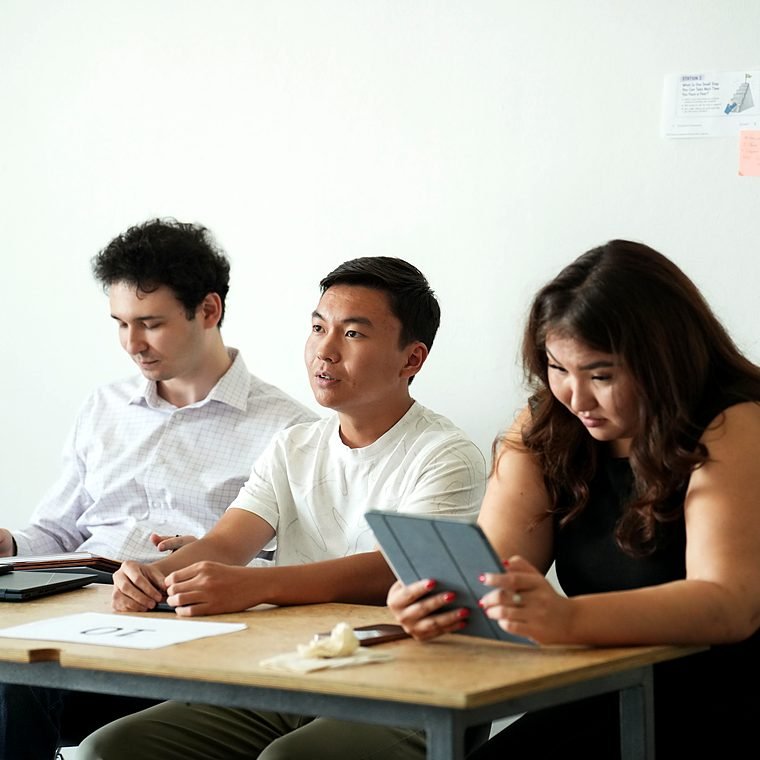
The programme combines lectures on public international law with practical training in legal research, writing, and oral advocacy. Throughout the week, students also work on a Mini-Moot problem, presenting their arguments before a panel of judges on the final day.
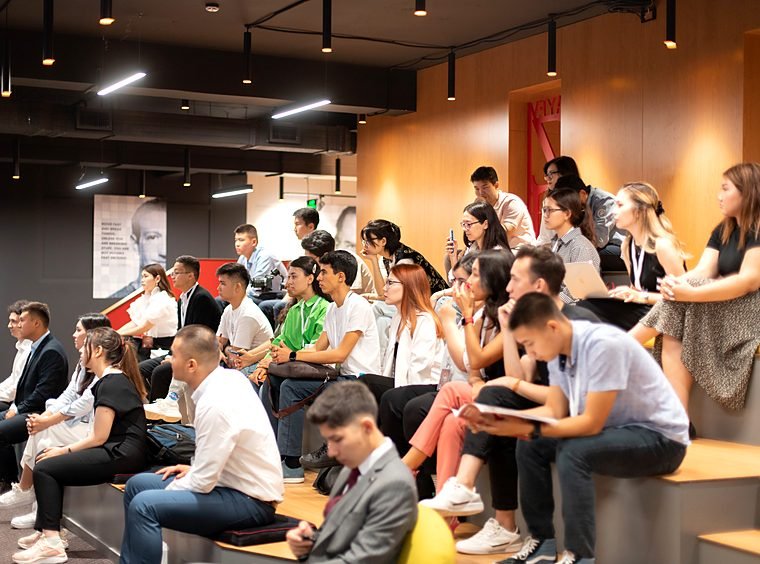
Who can participate in the Summer School?
The Summer School is intended for students who have never competed in Jessup before and are interested in participating in the future. Each student may attend the Summer School only once.
The programme is open to students from universities across Central Asia, including Kazakhstan, Kyrgyzstan, Tajikistan, Turkmenistan, and Uzbekistan. Universities from other countries may also be invited, subject to available capacity.
As the programme is conducted entirely in English, participants should have sufficient English proficiency to follow classes and take part in practical exercises.
When and where does the Summer School take place?
The Summer School takes place every year in early August, with the host university and exact dates announced in advance.
Keep an eye on our website and social media channels for information about the next edition.
How can I register for the Summer School?
Students cannot register individually. Each university may register up to four students through its university profile in the Jessup Central Asia System.
If you’re interested in attending, contact your law faculty and ask about your university’s participation.
If your university is new to Jessup or needs help with registration, feel free to contact us at admin@jessupcentralasia.com.
Is participation in the Summer School free?
Yes! There is no participation fee.
However, students or their universities are responsible for arranging and covering travel to and from the host city.
We work with the host university to make attendance as affordable as possible. Depending on available resources, visiting students may receive free accommodation and meals during the programme.
The exact arrangements vary each year and will be communicated to participating universities in advance.
Can coaches and faculty members attend the Summer School?
Absolutely! Coaches and faculty members are welcome to observe the programme and do not need to register as participants.
However, they are responsible for arranging and covering their own travel, accommodation, and meals.
Former Jessup competitors are also welcome to get involved as instructors or volunteers, even though they cannot attend the Summer School again as students.